Discernment
The condition for sound decisions
Deciding is never an isolated act. Wealth decisions take place in a world in motion, shaped by economic cycles, financial transformations, innovation and disruption.
Creating the conditions for sound decisions means taking the time to understand these dynamics, assess their implications and place each choice within a broader and clearer context. You remain fully in charge of your decisions. We help place them in perspective.
It is first and foremost And then And finally
-
It is first and foremost
Taking a step back
When information is abundant, the difficulty is not accessing it, but identifying what truly matters.
Discernment offers structured perspectives designed to help step back from immediate news, passing trends and apparent certainties.
-
And then
Understanding the world that shapes your decisions
Wealth decisions are never made in isolation. They are influenced by economic, financial, geopolitical, technological and societal dynamics.
This section offers analyses and perspectives designed to better understand these underlying dynamics, their interactions and the questions they raise for your wealth
-
And finally
Nurturing discernment
Discernment develops over time. It emerges from the confrontation of ideas, from nuance and from the ability to question what appears certain. We seek to nurture this reflection through our own contributions, as well as through the readings that shape the way we think.
Our contributions
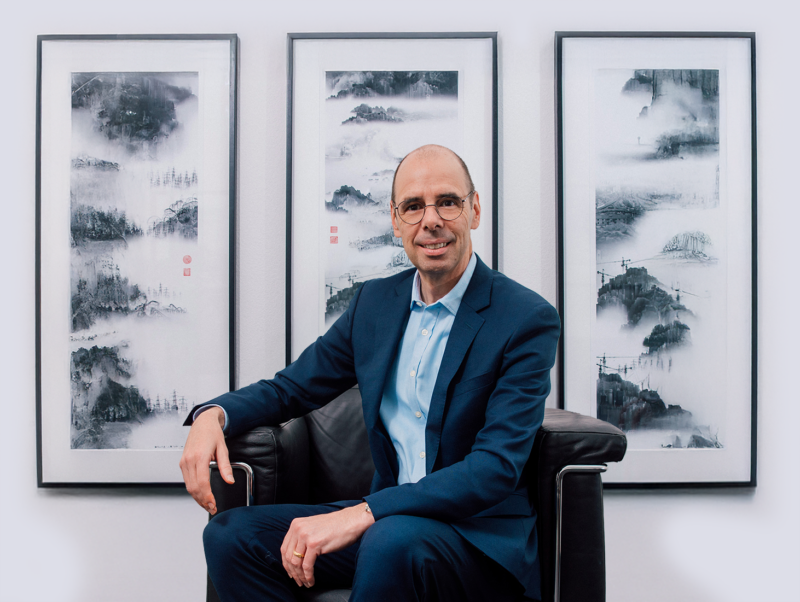
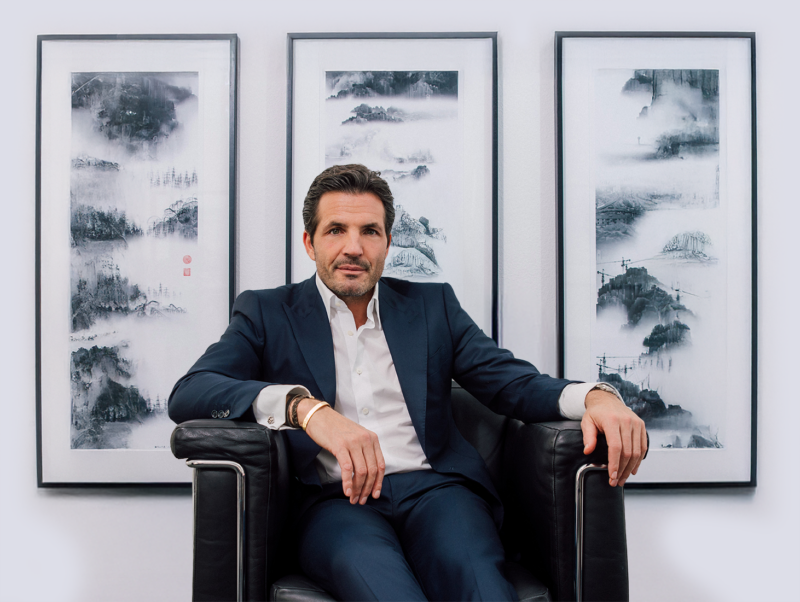
Reflections drawn from our practice, intended to shed light on the issues our clients face and the decisions they have to make.




Newsletter
Our Publications
Insights and analysis designed to deepen understanding, provide perspective, and support informed decision-making over time.
Readings That Inspire Us
Kometa
Decisions depend on more than the information available to us. They are also shaped by the way we look at the world. This is why we have chosen to share selected texts from Kometa. Rather than offering instant commentary or analyses that claim to provide definitive answers, Kometa invites a different way of engaging with reality. Not to deliver ready-made conclusions, but to make certain realities more visible and more immediate. The texts published in Kometa do not seek to decide on behalf of the reader. They invite us to see things differently. They shift perspective, introduce nuance, and bring into view what might otherwise remain unseen. Over time, we will share some of these texts here. Karel Gaultier, Chairman of the Board, Kometa

Excerpt from an interview with Sophia Rosenfeld, Kometa No 8
Beneath every decision lies a fundamental question: whom do we trust to make sense of the world around us? Experts, personal experience, majority opinion, or our own intuition?
In this interview, historian Sophia Rosenfeld examines the idea of common sense, a notion that appears self-evident, yet has been used, at different times, to support emancipation, defend the status quo, or fuel populist movements.
At a time when facts are contested, expertise is questioned, and certainty often travels faster than evidence, her reflections invite us to reconsider what we take for granted.
The Library
The Subject of Experience
Every encounter begins with an experience: the experience of making sense together.
In our profession, as in thought, nothing is built alone. Co-constructing ideas, projects and relationships begins with understanding how human beings perceive, feel and transform what they experience.
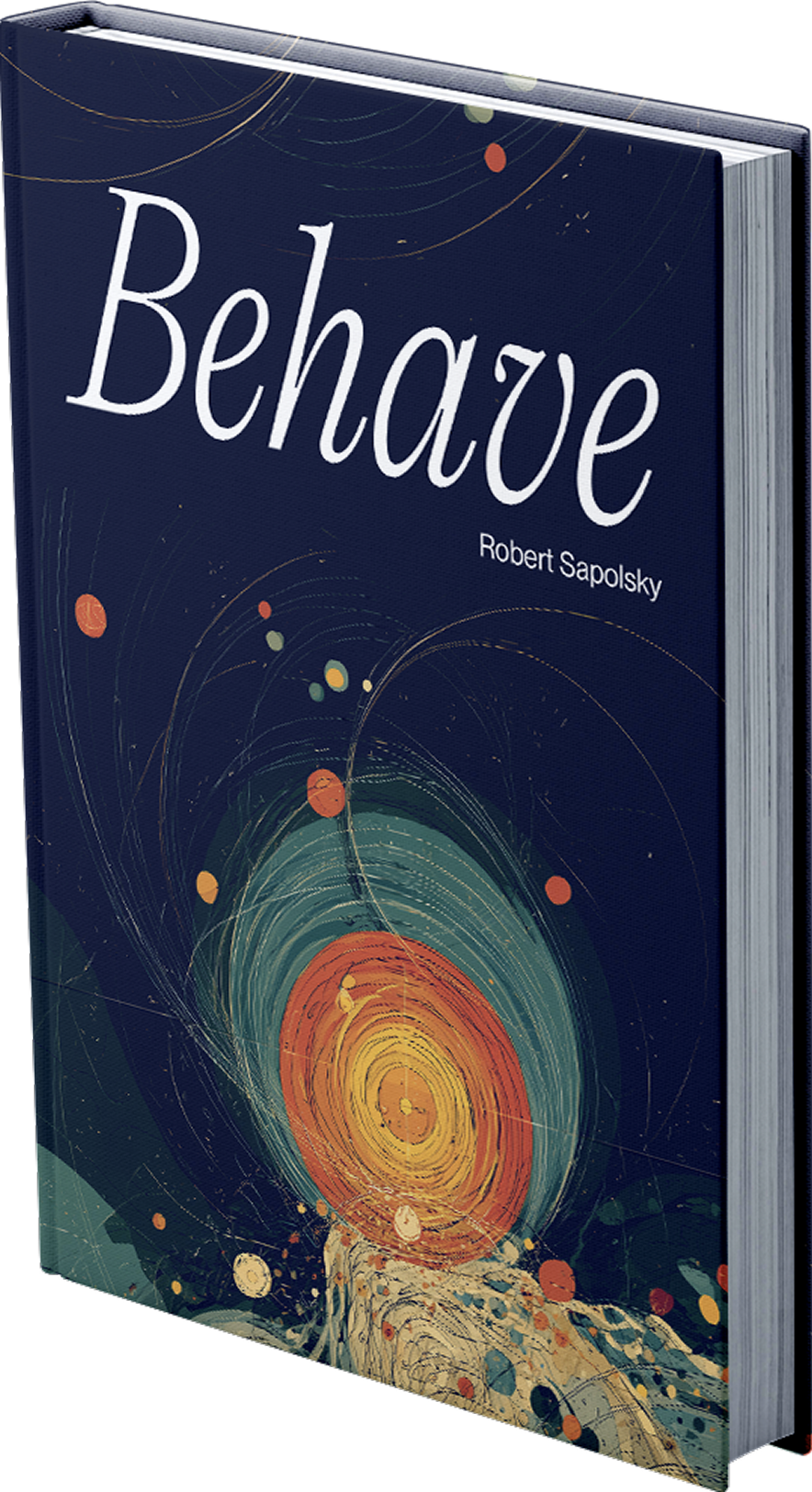
The Library brings together the works that underpin this line of thought. From Kant to Sapolsky, they trace an increasingly embodied understanding of the subject, experience and action.
The same line of inquiry extends into economics and finance. It invites us to question the nature of markets, the reality of human behaviour, the limits of calculation, the power of narratives and the forms of instability generated by systems themselves.
Thinking through these questions helps us better understand what it means to act together and how value circulates, whether in the form of knowledge, trust or shared projects.
This is also the root of a conviction at HG: investing begins with a shared understanding of the world.
Markets, Decision and Uncertainty
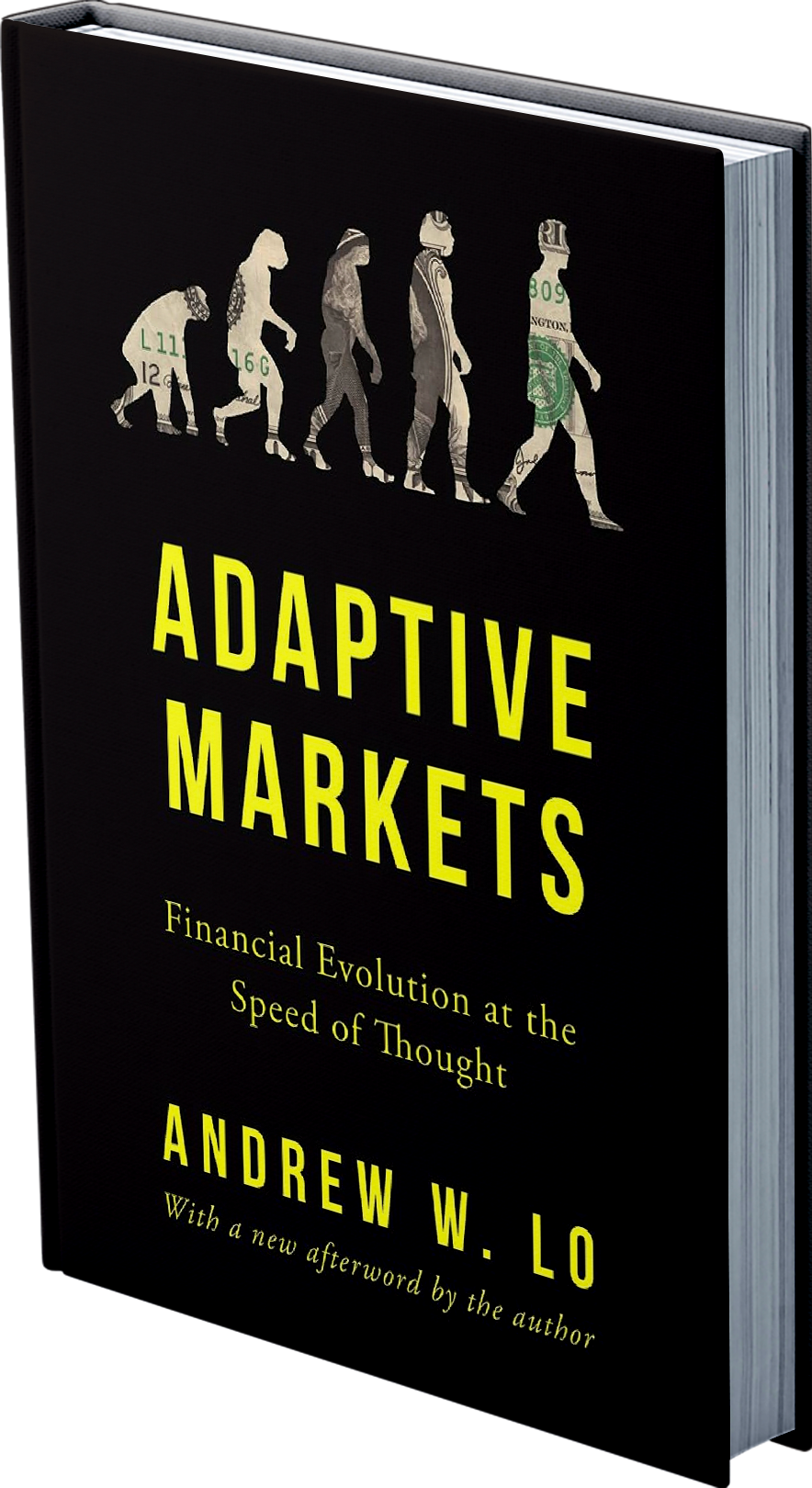
The works gathered here offer five major frameworks for thinking about markets, decision-making and uncertainty.
Andrew W. Lo invites us to see markets not as naturally efficient mechanisms, but as adaptive systems whose properties change with participants, conditions and regimes.
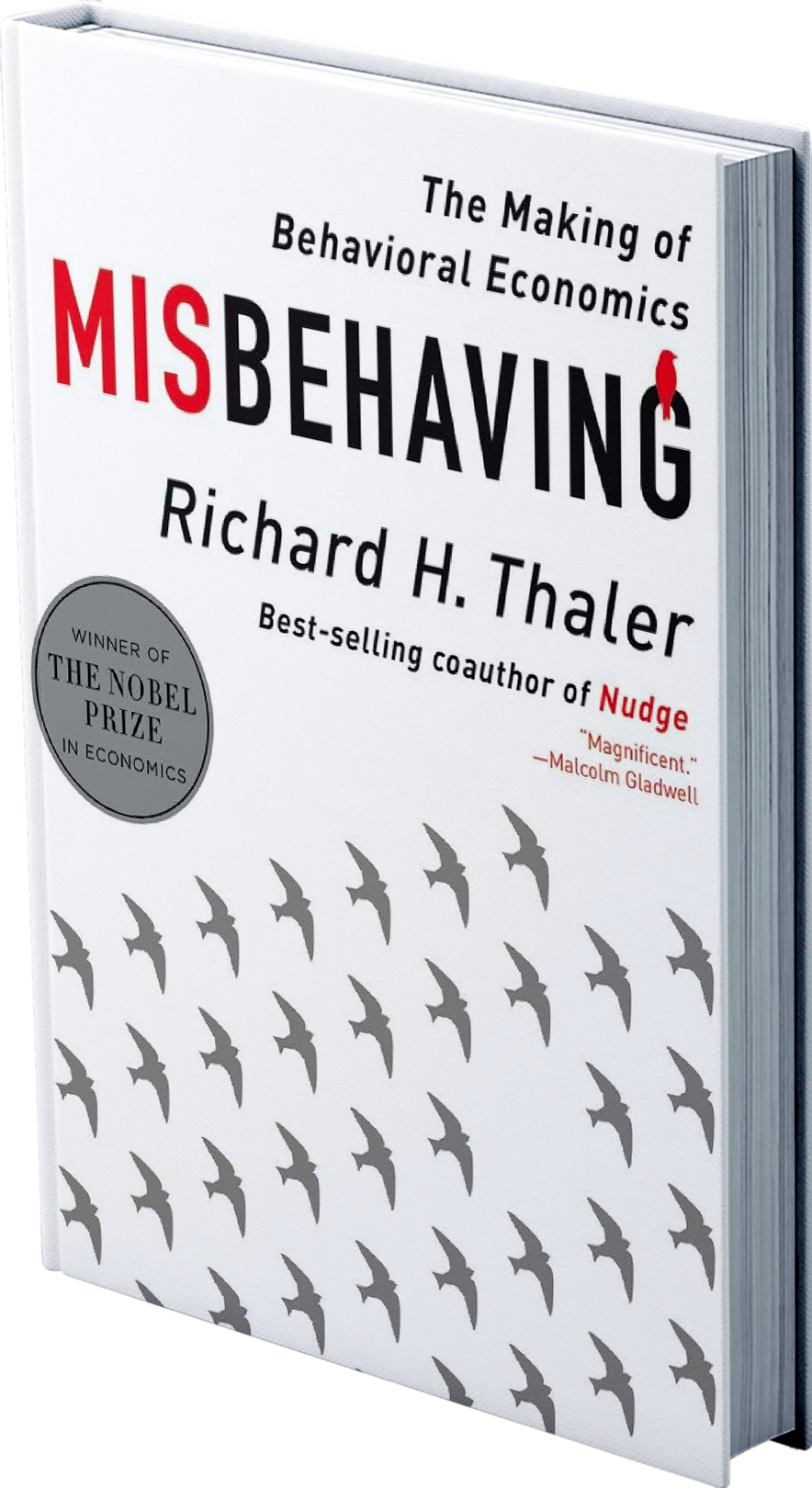
Richard H. Thaler brings real human beings back into the heart of economics, with their habits, contradictions and imperfect ways of deciding.
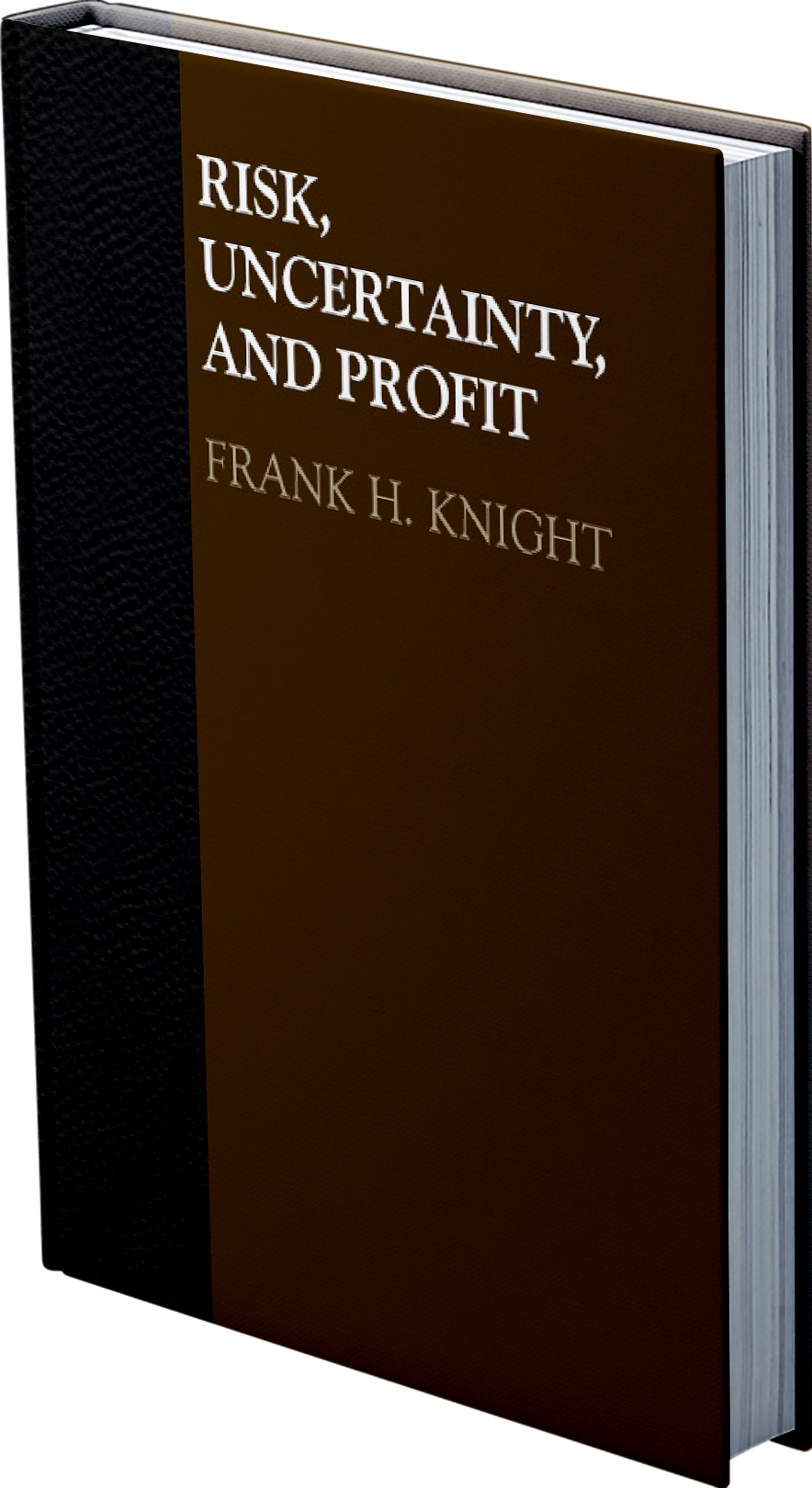
Frank H. Knight distinguishes measurable risk from genuine uncertainty, where calculation can no longer provide an answer.
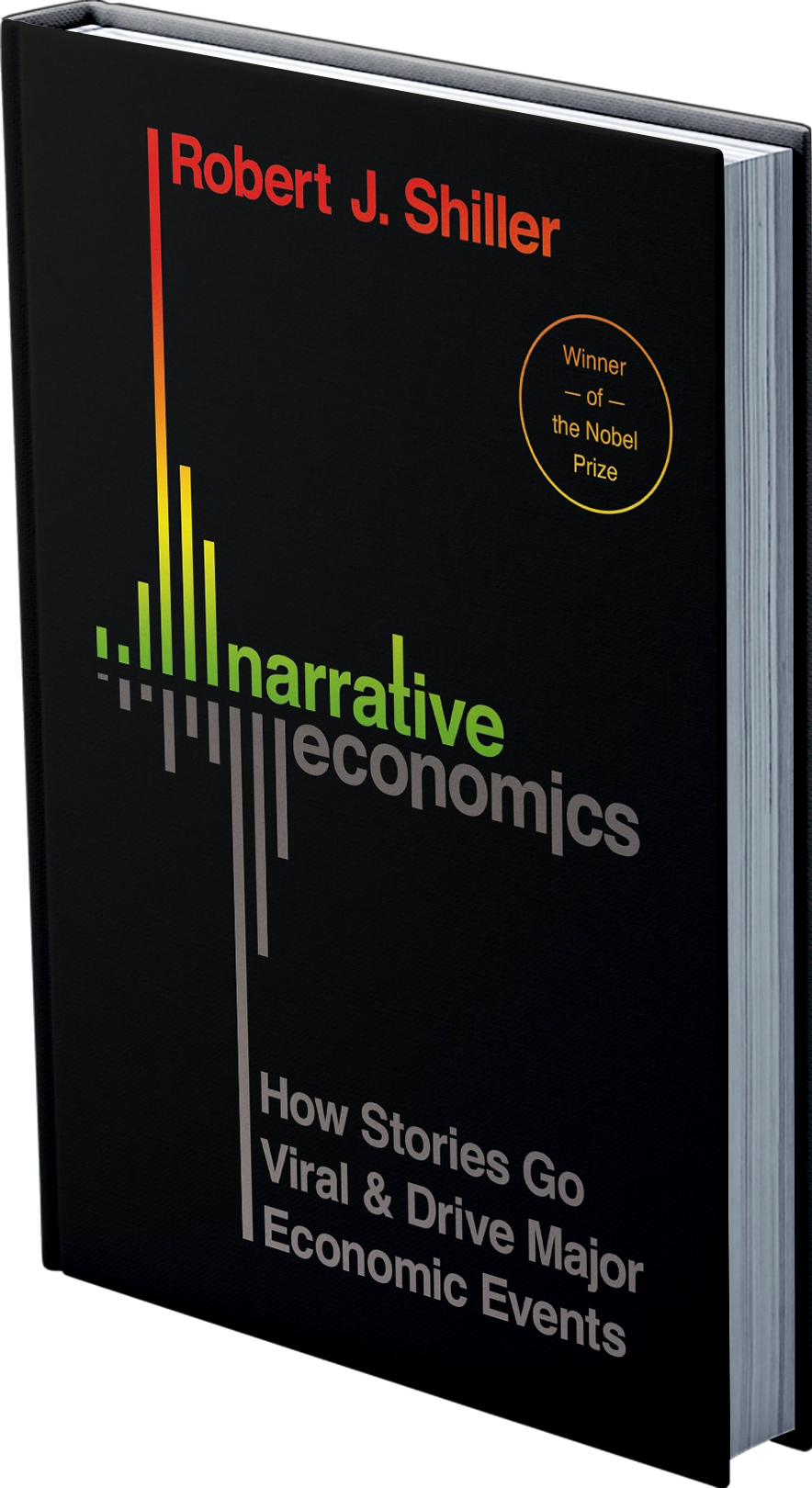
Robert J. Shiller shows how narratives circulate, shape expectations and become economic forces in their own right.
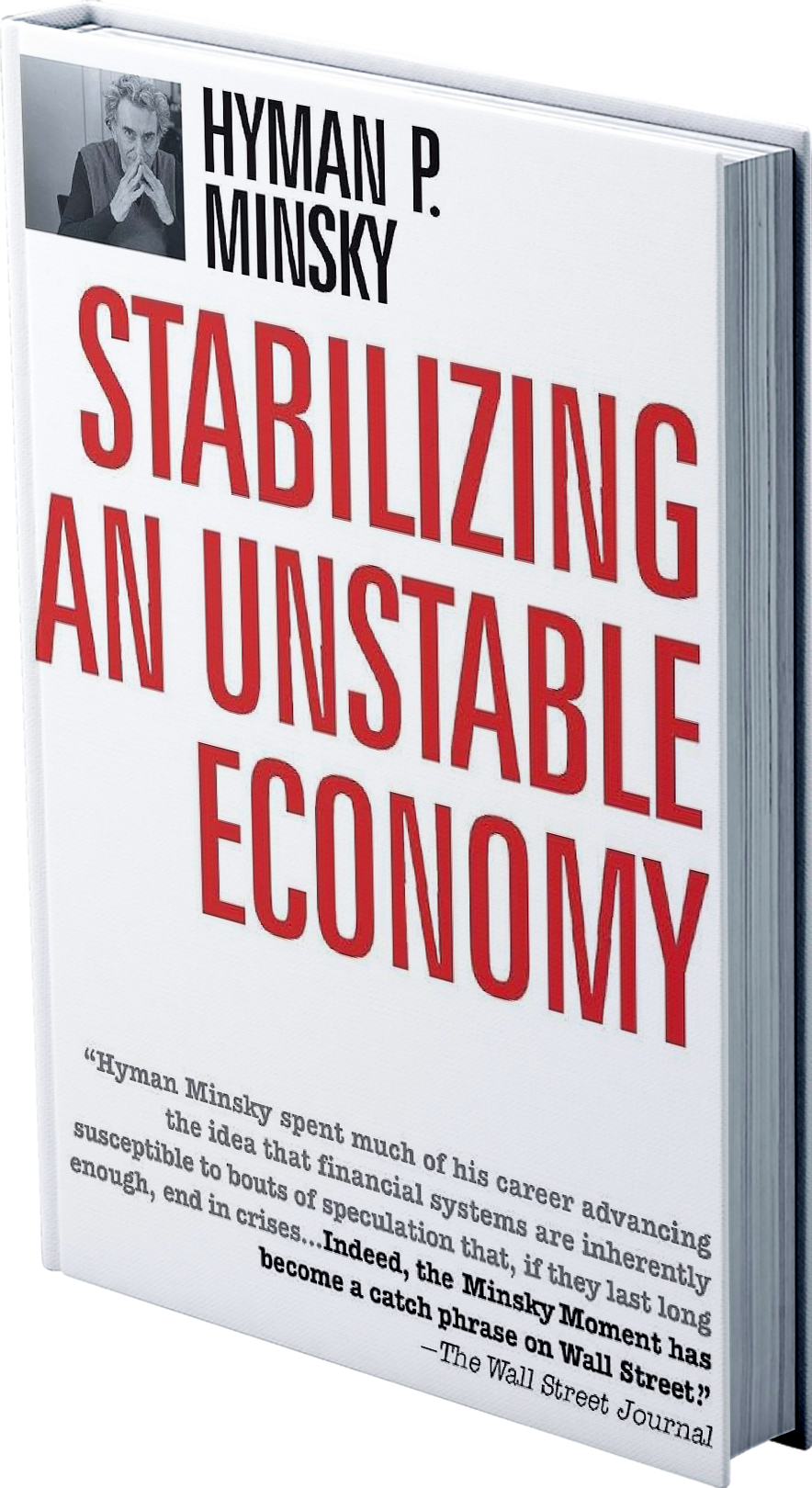
Hyman P. Minsky reveals how stability itself can foster confidence, encourage risk-taking and ultimately create the conditions for instability.
Together, these perspectives offer an understanding of economics and finance attentive to conditions, behaviour, representations and vulnerabilities that models alone cannot fully capture.
Foundational Texts
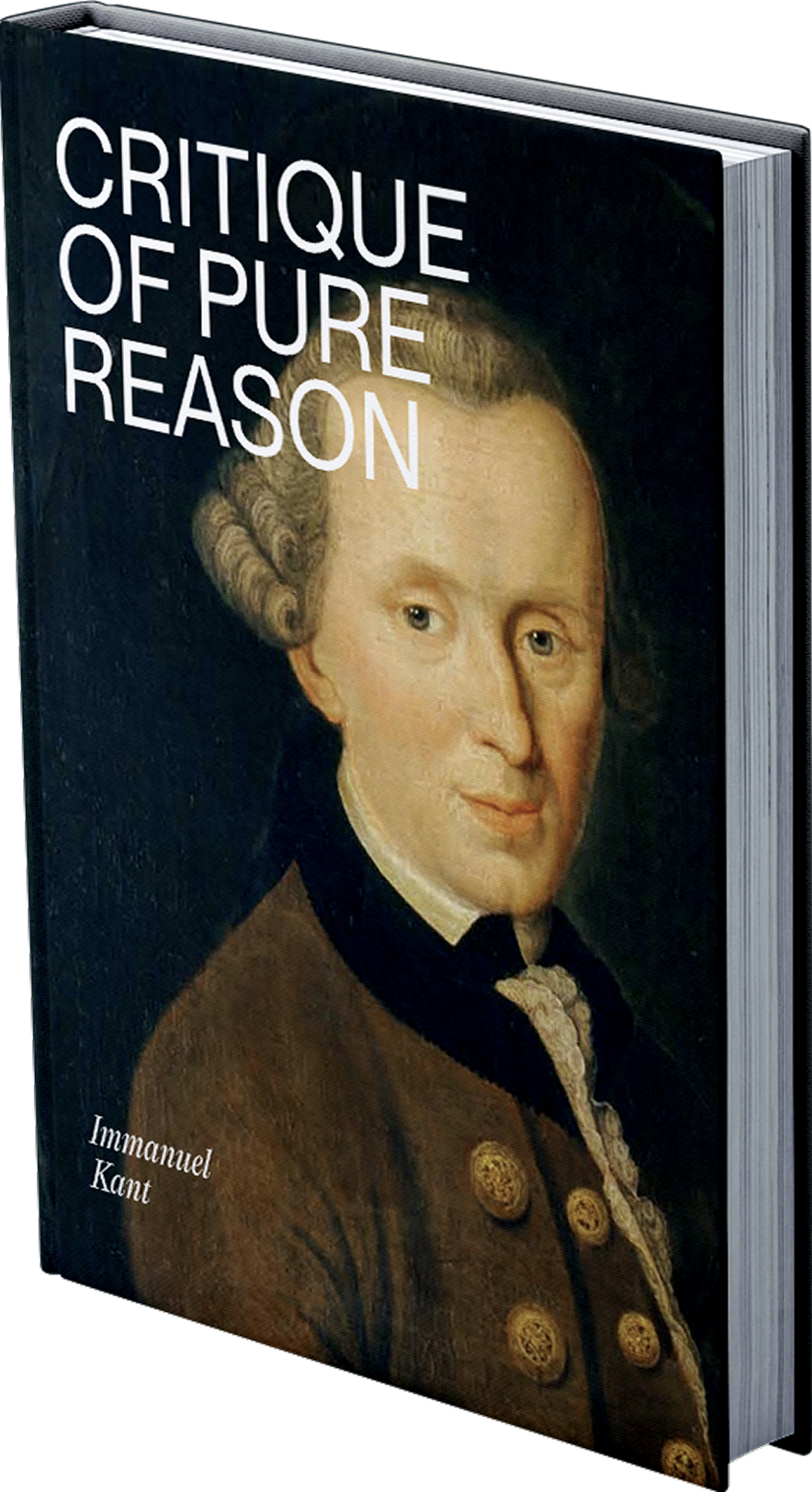
With Kant, modern thought discovers that the world is not simply given: it is structured by the subject who perceives it.
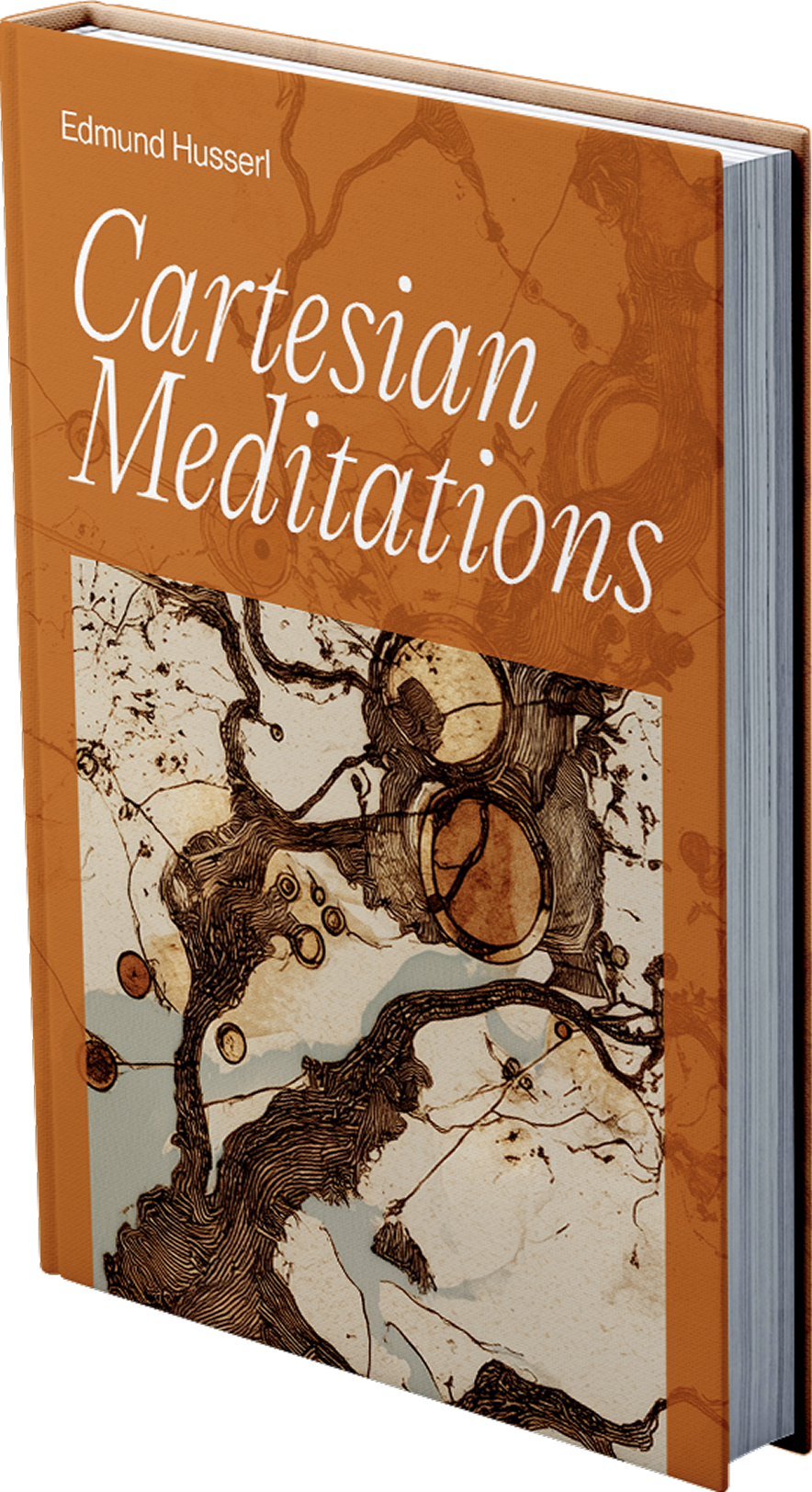
Husserl extends this shift by returning to lived experience, where meaning emerges in consciousness.
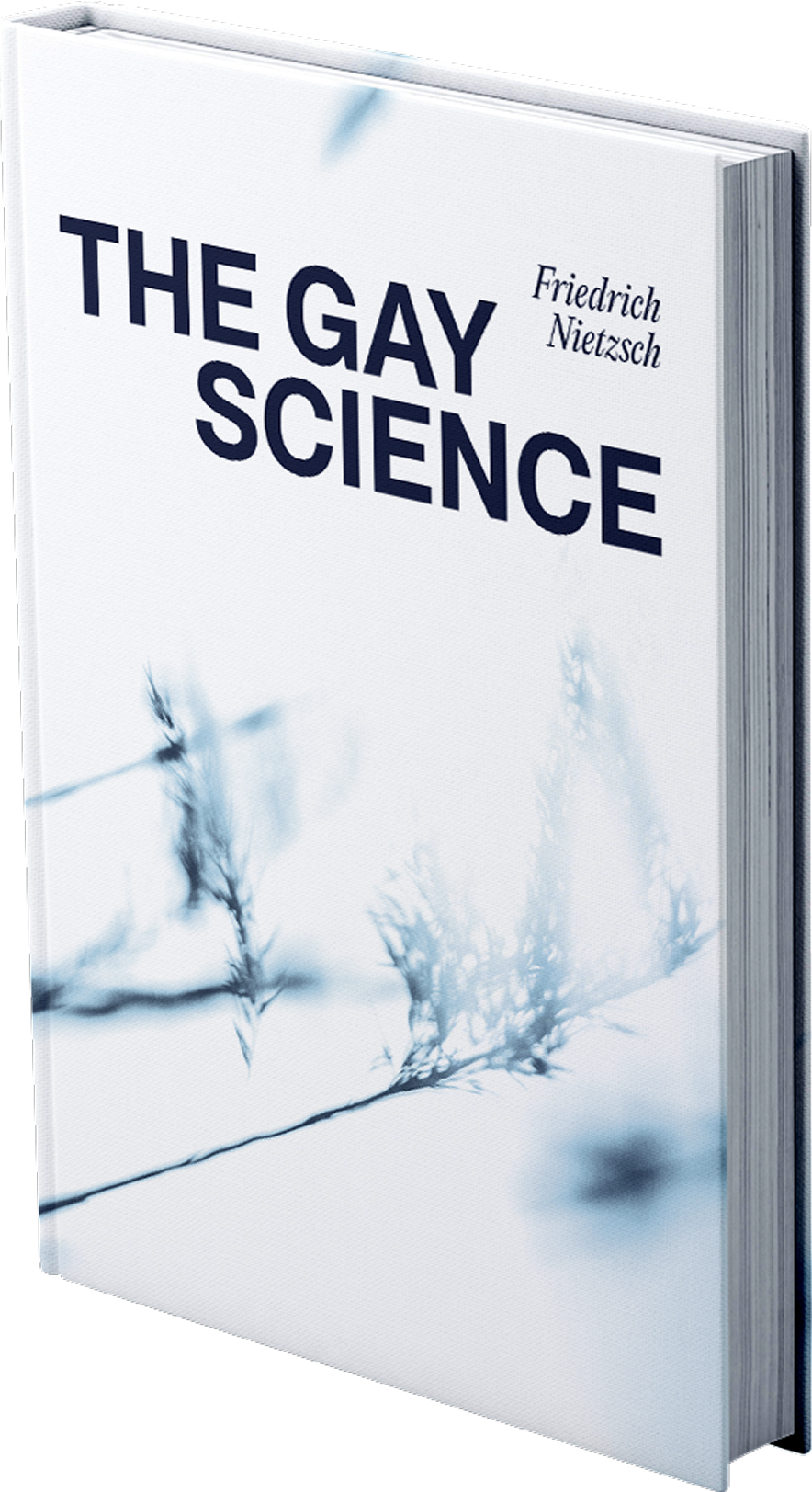
Nietzsche opens thought to another dimension: the subject is no longer only a structure; it is a becoming, a movement of creation.
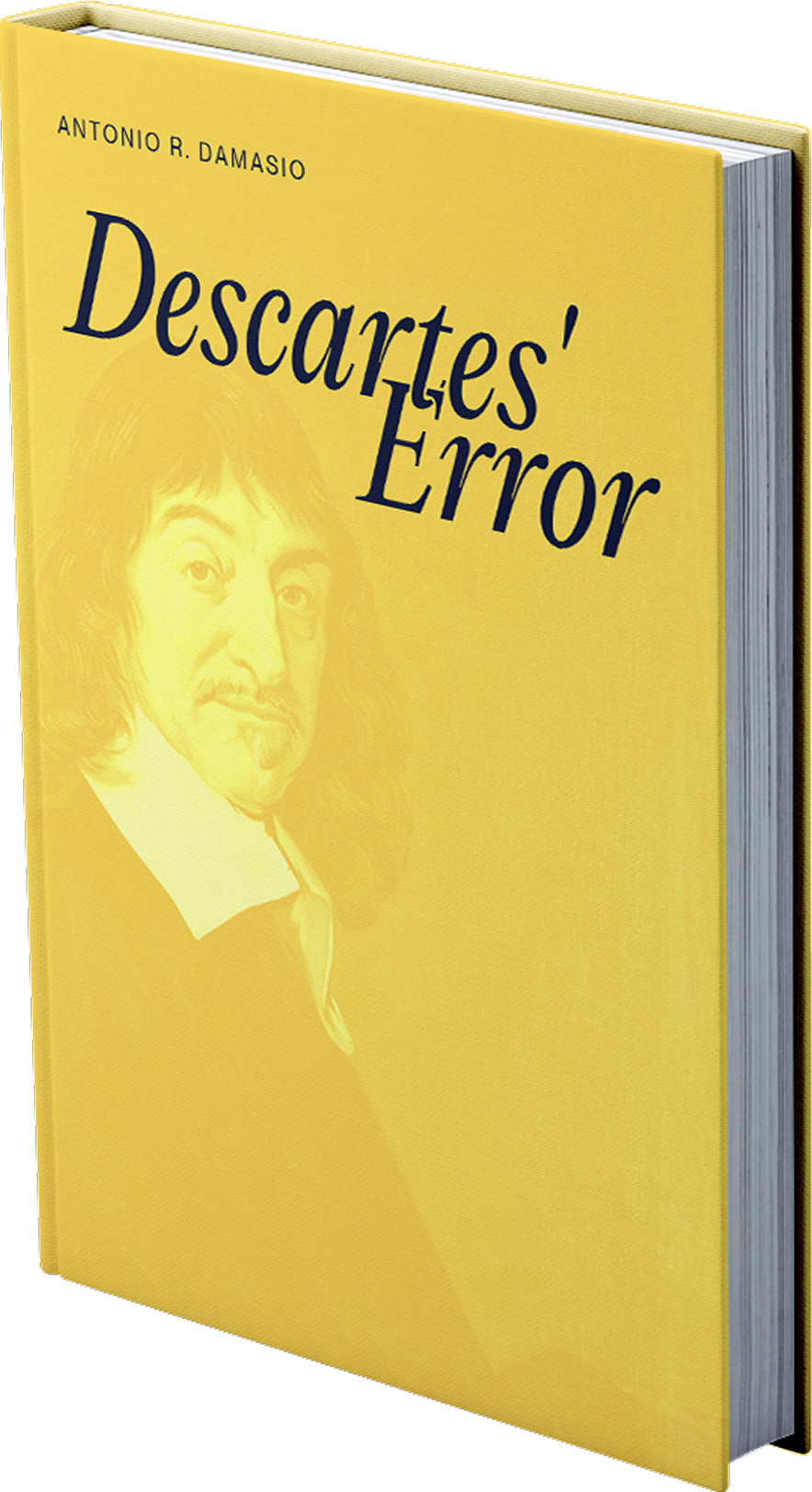
Contemporary research continues this trajectory. Damasio shows that rationality cannot be separated from the body and the emotions that orient decision-making.
Sapolsky, finally, explores the interplay of biological, social and cultural forces that shape our behaviour.
This journey traces a trajectory towards an increasingly embodied understanding of human experience.